Mónica Martínez-Díaz: The New House is Empty: Post–American Dream
Jun 27–Oct 4, 2026
Image Gallery
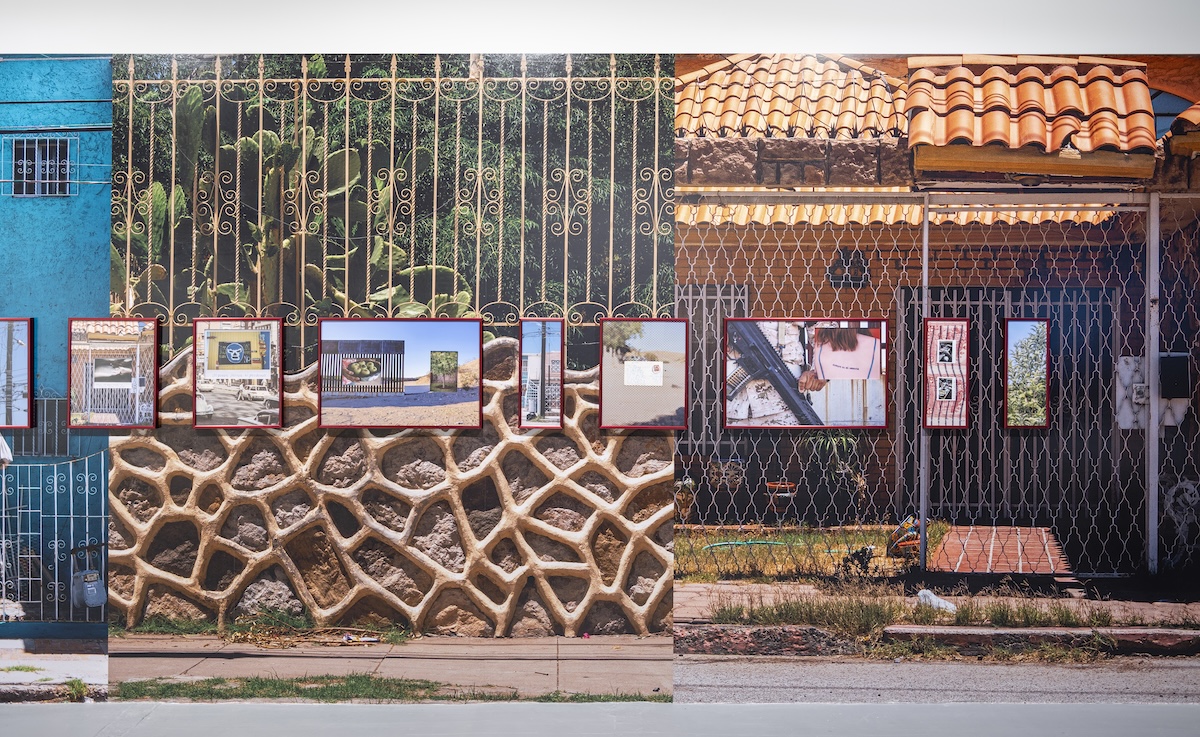
Installation view of "The New House is Empty: Post–American Dream," 2026. Photo by Jorge Villarreal.
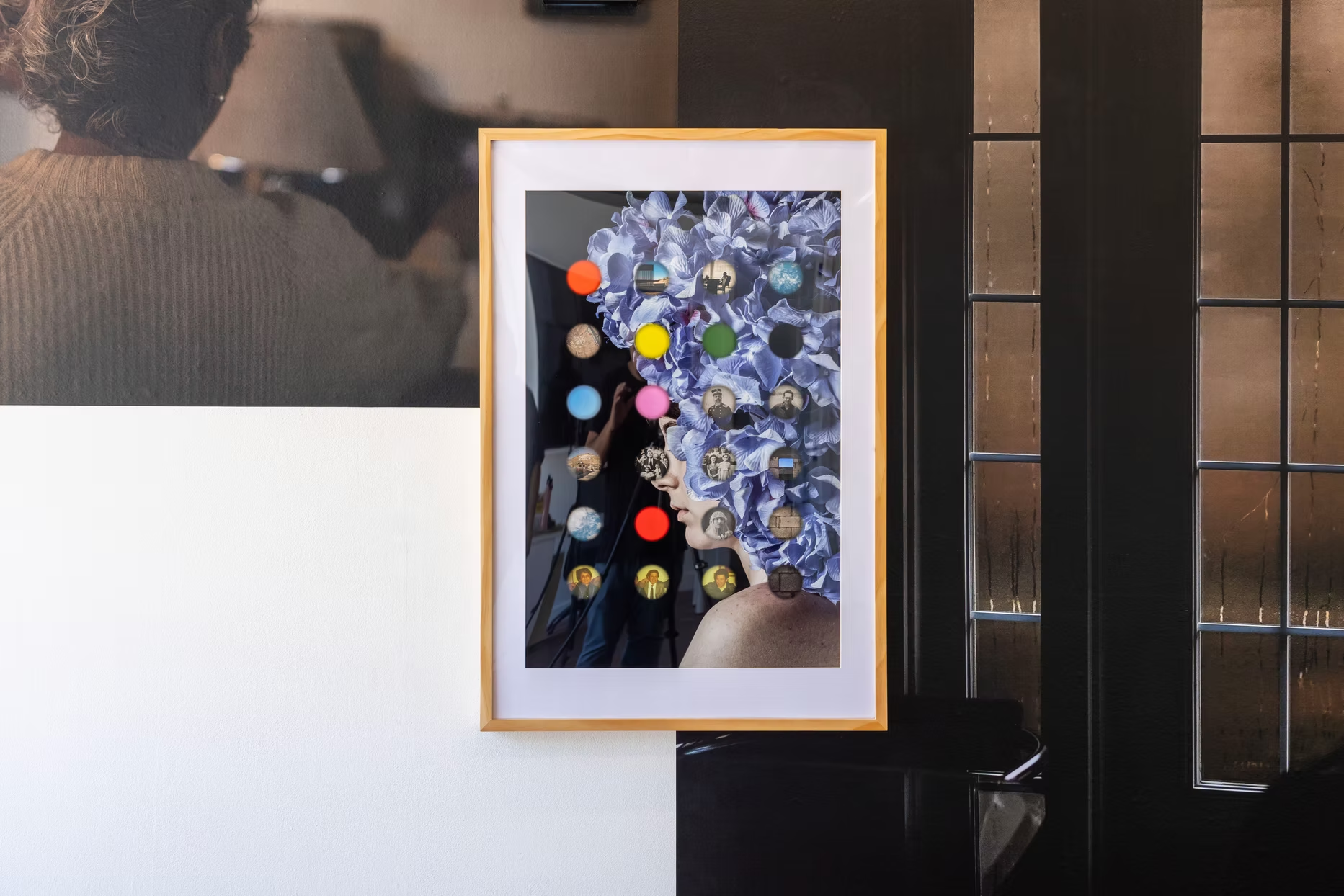
Monica Martinez-Diaz, I felt the love of my ancestors, when he became one of them
2023, Inkjet print, 37 x 25” (Installation view)
Mónica Martínez-Díaz: The New House is Empty: Post–American Dream
Jun 27–Oct 4, 2026
Mónica Martínez-Díaz’s photographic installation The New House is Empty: Post–American Dream explores the lives and memories of first-generation immigrants through portraiture and personal artifacts. Intimate portraits of the her subjects are intermixed with family mementos. Together, the portraits and objects create a dialogue between past and present, memory and material, inviting viewers to witness the layered experiences of migration, displacement, and adaptation. The work reflects on how memory and identity are preserved and carried across borders. The installation emphasizes the emotional resonance of “home” and how it exists simultaneously in the present, in memory, across distance, in tradition, and more.
The exhibition also include an installation featuring portraits of participants hands and handwritten letters addressed to their younger selves. Each participant is a first-generation immigrant in the United States of America and reflects on what advice would the tell their younger self about immigrating to the United States.
About the Artist
Monica Martinez-Diaz is a visual artist and photography educator working across photography, video, installation, and design. Raised in Ciudad Juarez, Mexico, her work examines the inherited complexities of the US-Mexico border, focusing on the hyper-normalization of violence in northern Mexican society and the daily ambivalence of growing up in a space where beauty and terror, stability and insanity, exist in permanent proximity. Working from her experience as a migrant living between countries, her practice also explores the instability of home, questioning how identity, belonging, and memory are reshaped through displacement and constant movement across borders.
Central to her practice are questions of family, heritage, memory, and home, and what happens to all of these when a border runs through them. Her work interrogates the mythology of the American Dream, tracing the distance between what was promised and what was inherited: displacement, divided families, and the grief that comes with leaving behind.
Printing photographs onto mass-produced fabrics sourced from Juarez’s maquiladora culture, Martínez-Díaz collapses image and textile into a single surface that connects factory labor to femicide and organized crime, drawing a direct line between the mechanized production of goods and the systematic production of violence. Ciudad Juarez is a machine that never stops; it produces, consumes, and buries, and life goes on regardless. The city does not pause to grieve. Life goes on.
Martínez-Díaz has taught photography in Mexico, New Mexico, Texas, and Colorado. She lives and works between San Antonio, Texas, and Ciudad Juarez, Mexico.